

- Protect children and young people who receive support from Kiwi Children’s Services.
- Provide staff and applicants with the overarching principles that guide our approach to protecting vulnerable children.
Everyone Deserves to Feel Safe
Did you know?
These are all types of child abuse …
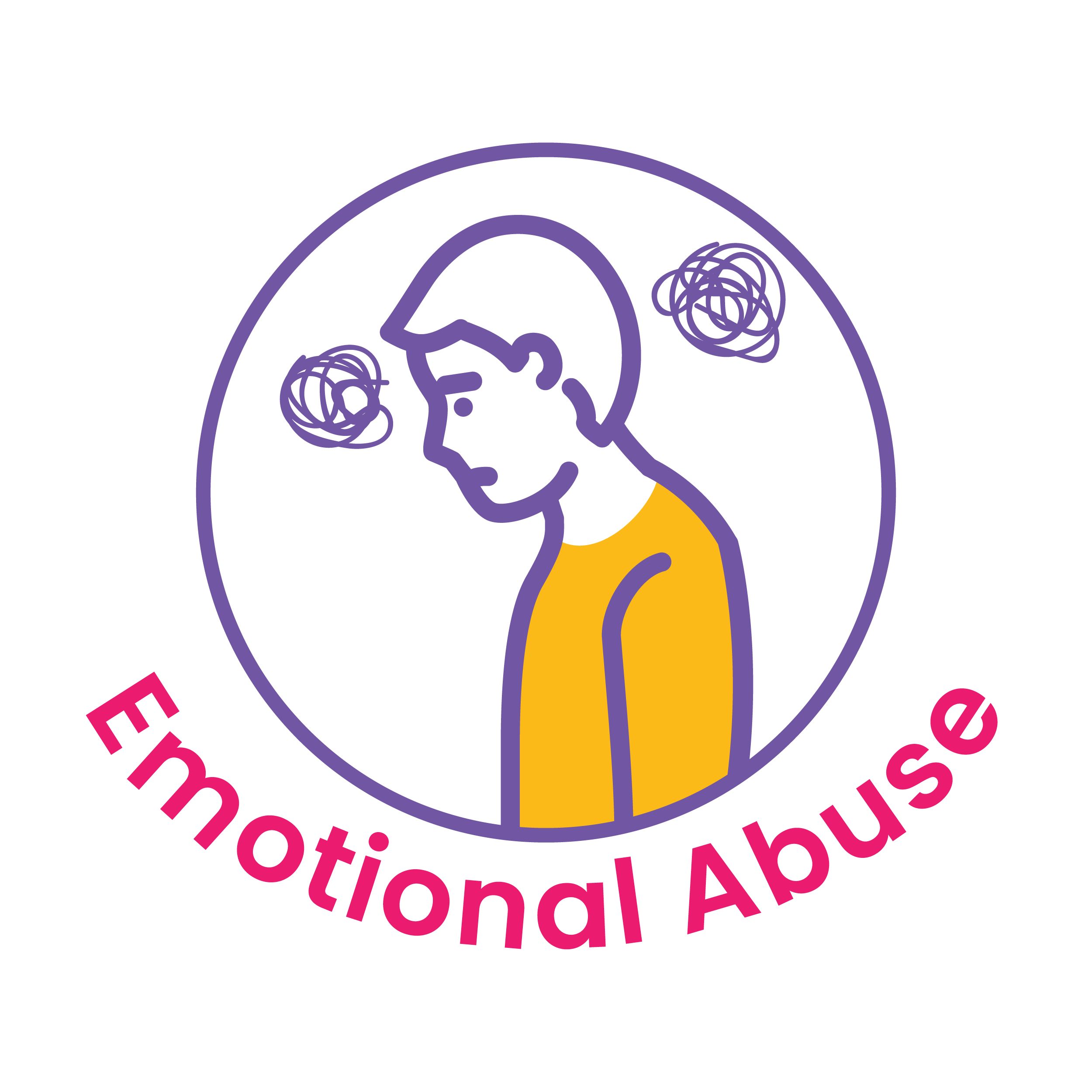
When someone repeatedly says or does mean things that make you feel bad about who you are, scared, or unloved.
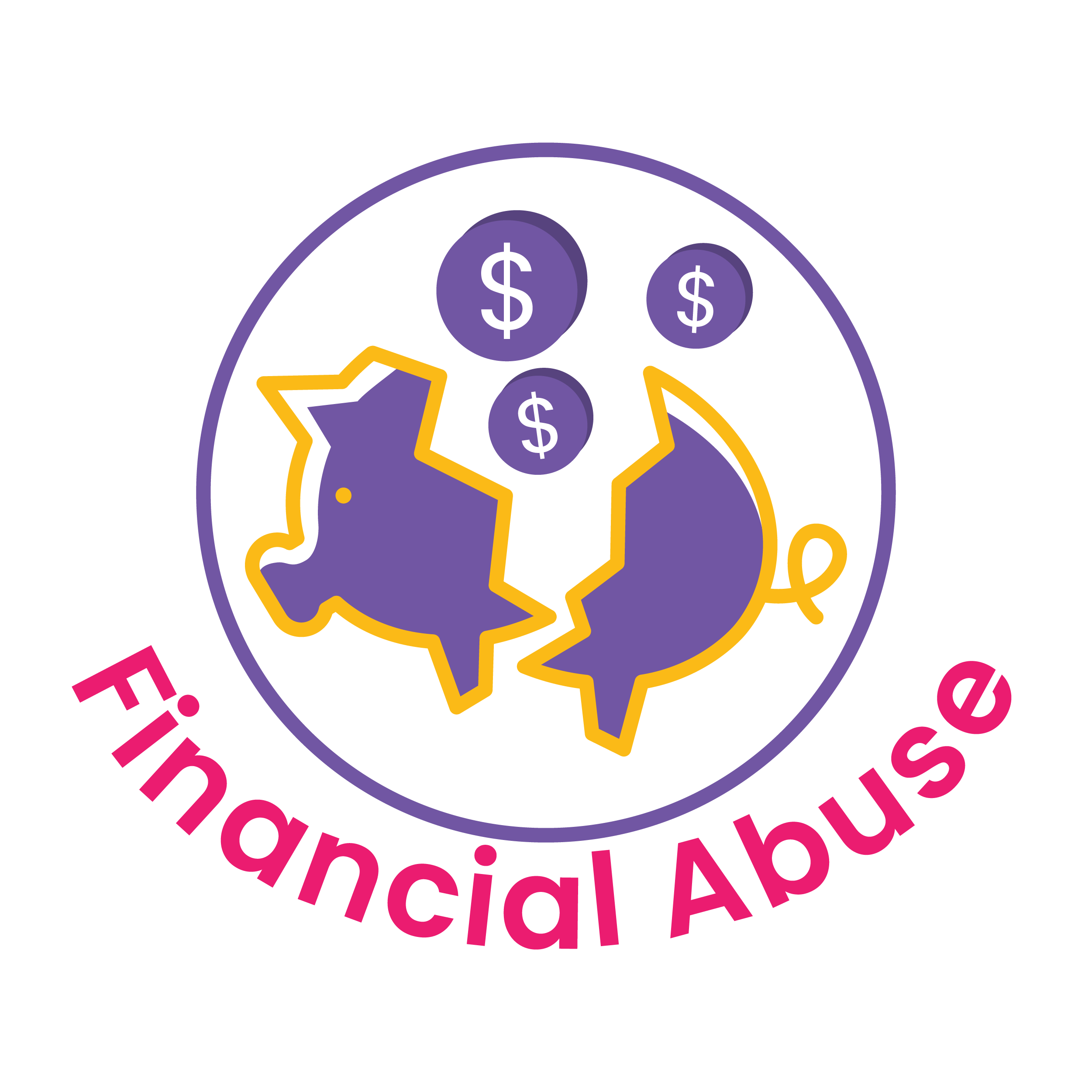
When someone takes/controls your money in an unfair way or without your permission.
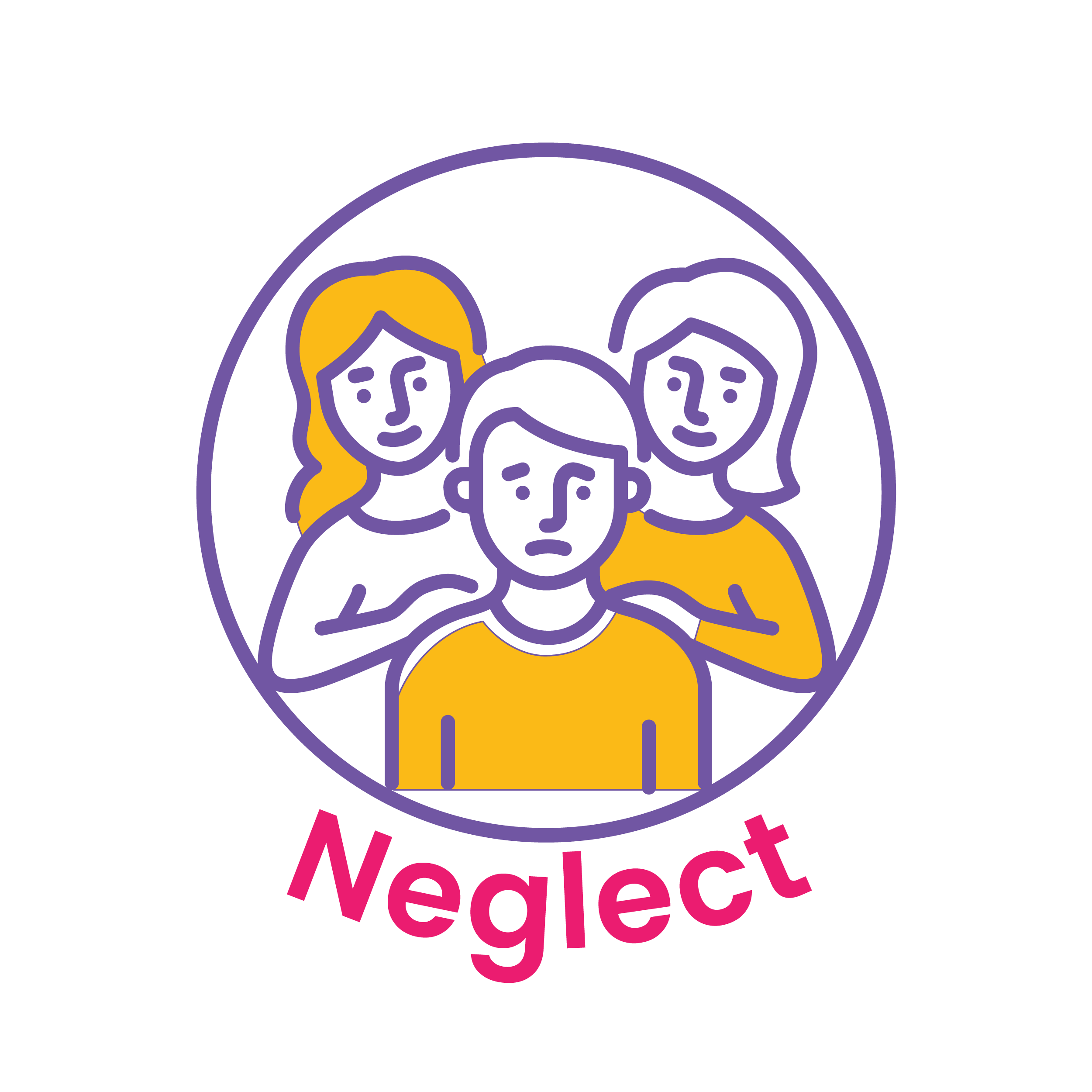
When a parent/guardian/carer doesn't give you basic needs such as food, clothing, a safe place to live.
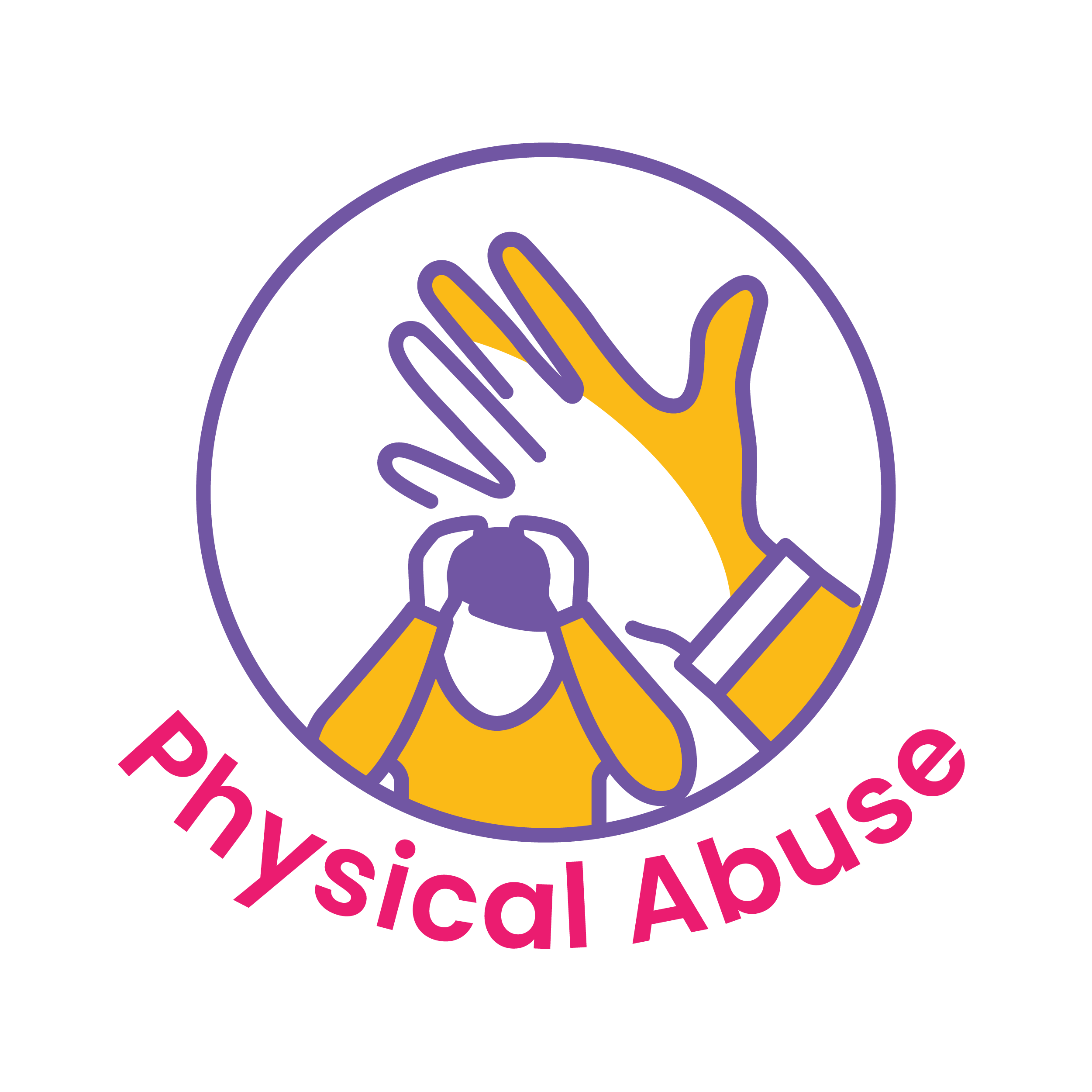
When someone hurts your body on purpose. Such as hitting, kicking or shaking.
When a person touches you/makes you touch them in private areas, often leaving you feeling embarrassed or ashamed.
So let’s get help…
This policy statement applies to everyone working on behalf of Kiwi Children’s Services, including senior managers, paid staff, temporary workers, limited company contractors, and volunteers.
- The welfare of the vulnerable families in our care is paramount in all the work we do.
- It’s the foundation of all the decisions we make.
- Working in partnership with our young people, their parents, carers, and other professional agencies is essential in keeping everyone safe.
We recognise that:
- The welfare of the young people we support is paramount.
- All people, regardless of age, disability, gender reassignment, race, religion or belief, sex, or sexual orientation, have a right to equal protection from all types of harm or abuse.
- Some people are additionally vulnerable because of the impact of previous experiences, their level of dependency, communication needs, or other issues.
We commit in alignment to both Ofsted and CQC Regulations and our organisational values to keep children and young people safe by:
- Valuing, listening, and respecting them.
- Access to Designated Safeguarding Officer, supported by a team of safeguarding champions across the business.
- Adopting child protection and safeguarding best practices through our whistleblowing, safeguarding, and complaint policies & procedures.
- Providing effective induction and management for our staff team and volunteers through supervision, support, and training to recognise, report and respond to any safeguarding concerns confidently and competently.
- Implement and follow quality assurance measures such as the safe recruitment of fit and proper staff who are suitable to work with vulnerable young people.
- Recruiting internal staff, temporary workers and volunteers safely, ensuring all necessary checks are made (these checks are also made when considering working with limited company contractors).
- Provide effective management through support, training and quality assurance measures
- Implementing a code of conduct
- Using our procedures to manage any allegations against staff and volunteers appropriately, working collaboratively with the local authority LADO
- Ensuring that we have effective complaints and whistleblowing measures in place
- Recording and storing information professionally and securely.
When applying to work with Kiwi Children’s Services, it is essential that you understand and abide by this policy statement. When applying for a role working with vulnerable young people, we will need to contact your current and previous employers as part of our reference process. We also require an enhanced DBS check, including a check of the barred lists.
During the selection process, we follow Safer Recruitment practices. We assess candidates’ suitability to work with vulnerable young people and ensure they meet the necessary compliance criteria. If an applicant is shortlisted, we will assess any anomalies in the information provided or issues arising from references. We require a full employment history in chronological order, including start and end dates and reasons for leaving. Any gaps in employment must also be explained.
If, after shortlisting, we find that you have omitted any relevant information or provided false information, this is an offence and could result in your application being rejected or summary dismissal if you are already in post.
During the interview, you can expect questions regarding your motivation, attitude, and approach to safeguarding vulnerable children.

Designated Safeguarding Officer
to discuss any concerns:
Elizabeth Cowley
Designated Safeguarding Lead